
How Diet Impacts Your Stress Levels
Explore the science-backed connection between nutrition and mental wellbeing. Discover how the foods you eat directly influence your stress response and emotional resilience.
Featured Content Guides
Discover our comprehensive editorial collection exploring the relationship between nutrition and stress management.
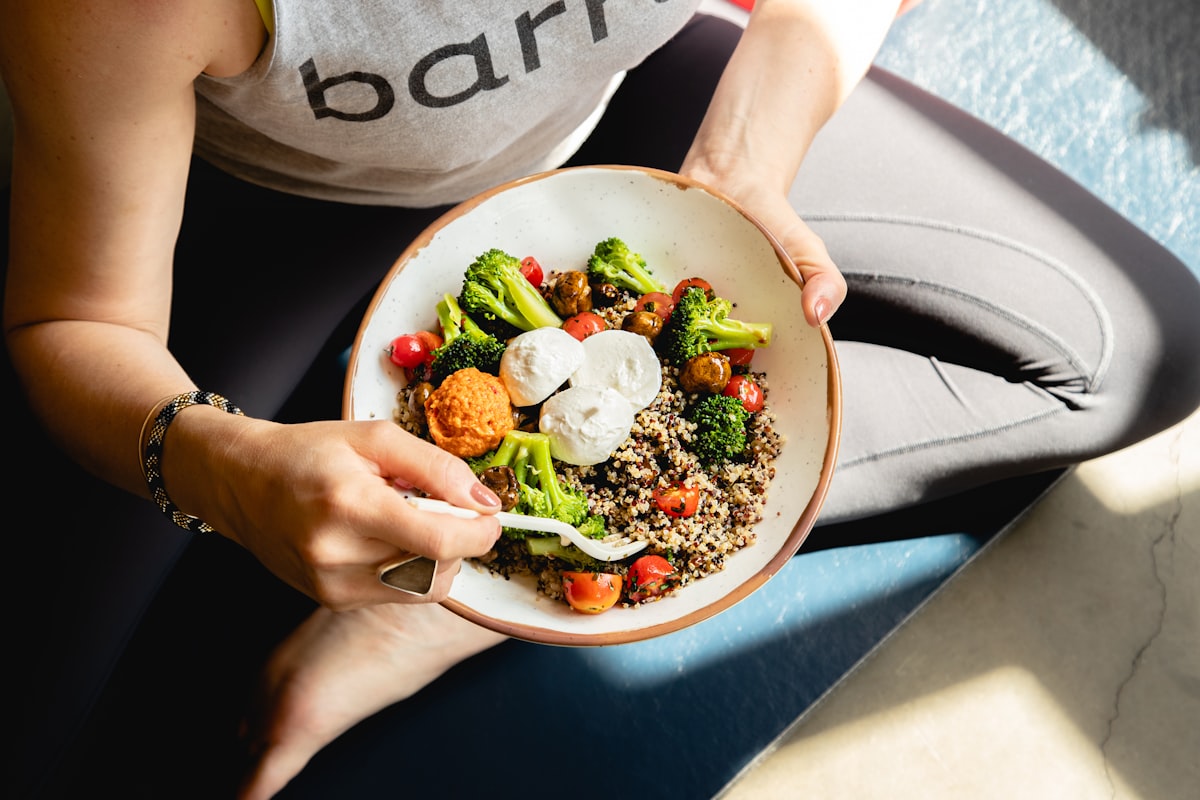
Stress-Busting Nutrients
Learn which vitamins, minerals, and compounds naturally reduce cortisol levels. From magnesium to omega-3s, understand the nutrients your nervous system craves for calm and balance.
Read Guide →
Foods That Trigger Anxiety
Discover which dietary choices may amplify stress and anxiety responses. This guide highlights caffeine, sugar, processed foods, and other items that can intensify nervous system activation.
Explore Article →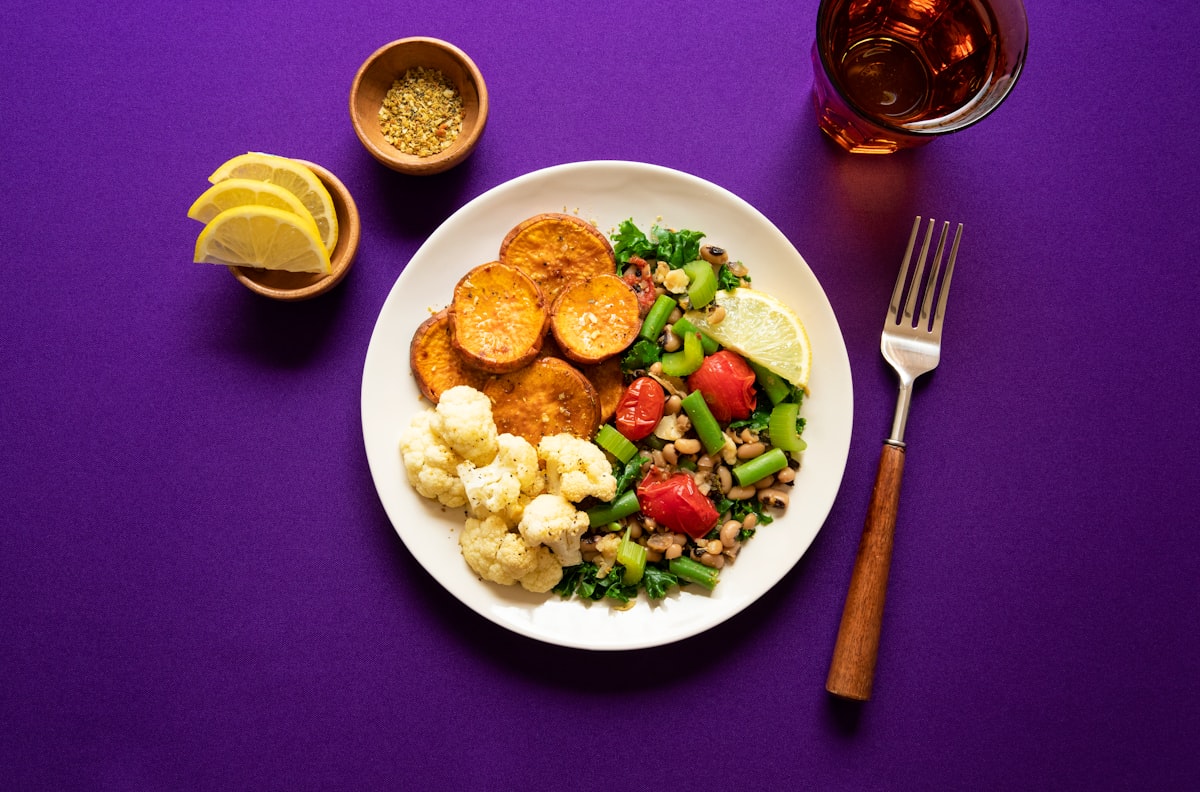
The Gut-Brain Connection
Uncover how your digestive health influences emotional stability and stress resilience. Learn about the gut microbiome's role in neurotransmitter production and mood regulation.
Learn More →
Blood Sugar Stability & Mood
Understand how erratic blood glucose levels destabilise emotions and stress responses. This article explores the science of balanced nutrition for sustained mental clarity and calm.
Discover Insights →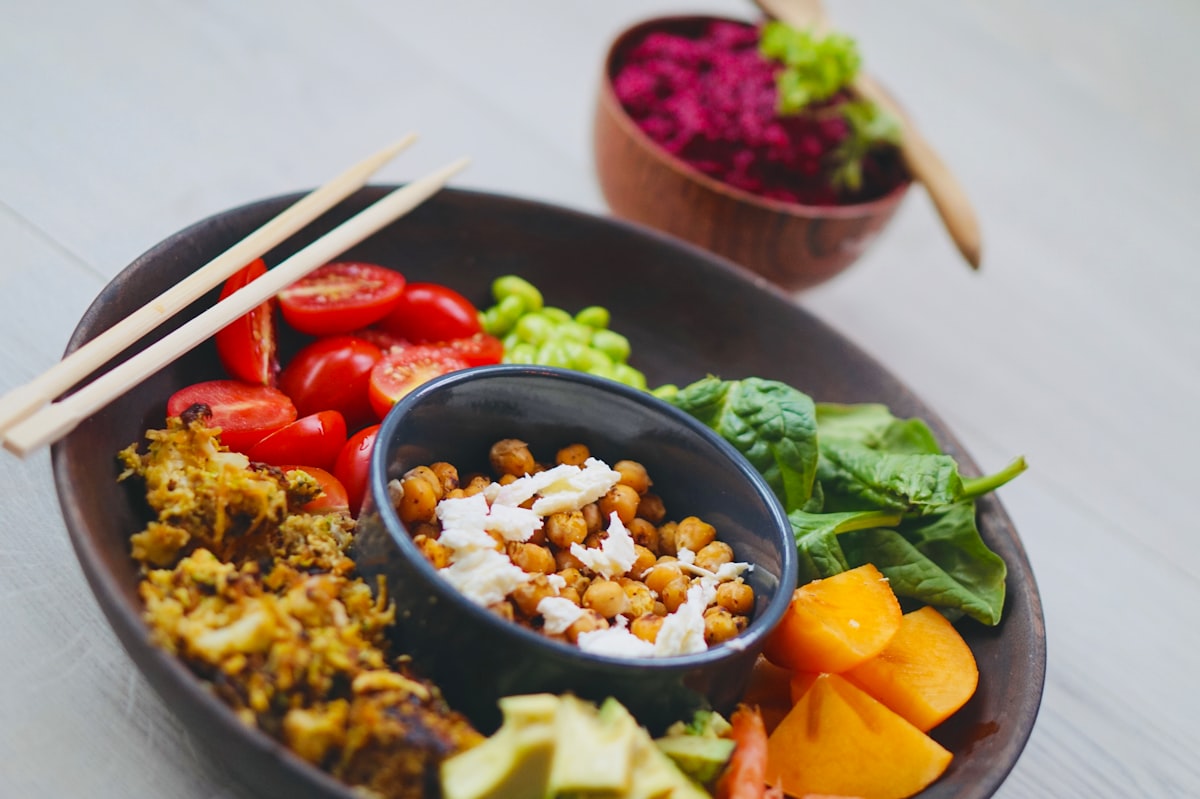
Anti-Inflammatory Eating Patterns
Explore how reducing dietary inflammation supports mental health. This comprehensive guide covers the foods and eating patterns that promote a calmer, more resilient nervous system.
View Article →
Hydration & Mental Clarity
Learn why proper hydration is essential for stress resilience. Even mild dehydration can intensify anxiety and fatigue—this guide explains the hydration-stress connection.
Read More →Browse By Topic
Filter our editorial collection by subject area to find exactly what interests you.
Nutrition Science
Scientific articles on how specific nutrients affect stress and mood regulation.
Mental Wellbeing
Content exploring the link between dietary choices and psychological resilience.
Lifestyle Integration
Practical guides on incorporating stress-reducing foods into daily routines.
Research Insights
Latest studies and clinical evidence about nutrition's impact on stress.
Dietary Approaches
Overview of different eating patterns and their effects on nervous system calm.
Common Questions
Answers to frequently asked questions about food, stress, and emotional health.
What Our Readers Discover
Essential insights from our editorial content on nutrition and stress.
The Cortisol Connection
Your body's primary stress hormone, cortisol, is directly influenced by what you eat. Certain nutrients help regulate cortisol production, while others can spike levels. Understanding this relationship allows you to make dietary choices that support calm and resilience throughout your day.
Learn More →Neurotransmitter Building Blocks
Your brain relies on amino acids and other compounds from food to produce serotonin, dopamine, and GABA—neurotransmitters essential for mood stability. A nutrition-aware approach ensures your body has the raw materials needed for emotional balance and stress resilience.
Explore Article →Microbiome & Mental State
Your gut bacteria produce up to 90% of your body's serotonin. The foods you choose determine which bacteria thrive, directly influencing mood, anxiety, and emotional stability. This emerging science shows that stress management begins with feeding your beneficial microbes.
Read Guide →Energy Stability & Mood
Blood sugar crashes trigger stress responses in your body, even when you're not consciously stressed. By choosing foods that provide steady energy, you create a biological foundation for calm, focus, and emotional equilibrium throughout your day.
Discover More →Common Questions
Answers to questions our readers frequently ask about diet and stress.
Some effects appear within days—improved hydration and blood sugar stability can enhance mood almost immediately. Other changes, like the positive impact from gut microbiome shifts, develop over weeks. Consistency matters more than speed; sustainable dietary improvements create lasting stress resilience.
Nutrition is a foundation, not a replacement. A well-nourished nervous system responds better to exercise, meditation, sleep, and social connection. Think of diet as providing the biological stability that allows other wellness practices to be more effective. The best approach combines multiple strategies.
Magnesium is often called the "stress mineral" because it regulates neurotransmitter function and promotes nervous system calm. However, no single nutrient works in isolation. Vitamin B, omega-3 fatty acids, amino acids, and mineral balance all contribute equally to stress resilience. A whole-food approach outperforms targeting one nutrient alone.
Caffeine sensitivity varies significantly between individuals. Some people process it efficiently and experience mood benefits; others are highly sensitive to its stimulating effects. If you struggle with anxiety or sleep, reducing caffeine can help. The key is self-awareness—notice how caffeine affects your stress levels and adjust accordingly.
Dehydration impairs cognitive function, concentrations of neurochemicals, and physical stress response—all of which amplify anxiety perception. Even 2% dehydration can noticeably affect mood and focus. Drinking adequate water throughout the day supports nervous system stability and reduces the intensity of stress responses.
Eating regular, balanced meals prevents blood sugar crashes that trigger stress responses. Eating breakfast stabilises morning cortisol; skipping meals can amplify afternoon anxiety. Protein and healthy fats at each meal provide sustained energy. Some people find eating something calming before bed—like complex carbs with magnesium-rich foods—supports better sleep and lower morning stress.
What Readers Say
Feedback from those who have engaged with our content on nutrition and stress.
The article on gut-brain connection completely changed how I think about my afternoon anxiety. Understanding the science made me feel empowered to make better dietary choices. Within weeks, I noticed real shifts in my mood and stress response. Brilliant, evidence-based content.
Sarah Mitchell
Manchester
I always knew diet mattered, but Mealvitalcore's guides showed me exactly how nutrients influence cortisol and neurotransmitters. The information is practical, not preachy. I've implemented several of their suggestions and genuinely feel calmer and more focused throughout my day.
James Robertson
Edinburgh
Finally, content that addresses stress from a nutritional angle without making me feel overwhelmed. The guides are clear, the science is solid, and the practical tips actually fit into my life. This is the kind of journalism our mental health conversation needs.
Elena Castro
London
Explore More Wellness Content
Discover our full library of articles, guides, and resources on nutrition, stress, and holistic wellbeing. Updated regularly with the latest research and practical insights.
Questions About Our Content?
Our editorial team welcomes feedback, content suggestions, and reader inquiries. Reach out with any questions about our articles or resources.
Contact Information
Address: Market Street 96, Glasgow
Email: [email protected]
Phone: +44 630 384 749
Editorial Inquiry
For article requests, content feedback, or media inquiries, please contact our editorial team using the details provided. We value reader input and use it to guide our future content direction.
The content on this site is for informational and educational purposes only. It is not intended as a substitute for professional medical, psychiatric, or nutritional guidance. Always consult appropriate professionals regarding your personal wellness journey.
Full Disclaimer | Privacy Policy