
How Your Diet Shapes Your Mental Health
Discover the profound connection between what you eat and how you feel. Mealvitalcore explores the science-backed relationship between nutrition and emotional wellbeing, empowering you to make informed dietary choices that support a calmer, more resilient mind.
Key Insights on Diet and Stress
Brain Chemistry
Nutrients directly influence neurotransmitter production, affecting mood and emotional regulation throughout your day.
Gut Health
The gut microbiome communicates directly with your brain, producing vital compounds that regulate your sense of calm and wellbeing.
Anti-Inflammatory Impact
Whole foods rich in antioxidants reduce systemic inflammation, lowering the physical burden that amplifies stress responses.
Hormone Regulation
Balanced nutrition stabilises cortisol and adrenaline levels, helping your body respond to stress more effectively.
The Gut-Brain Connection Explained
Your digestive system is far more than a processing plant for food. Beneath the surface of your stomach and intestines lies a complex nervous system often called the "second brain"—the enteric nervous system. This network contains millions of nerve cells that produce many of the same neurotransmitters found in your central nervous system.
When you eat foods that nourish your gut bacteria, you're not just improving digestion; you're directly influencing the production of serotonin, dopamine, and GABA—compounds essential for mood stability and stress resilience. The bacteria in your gut can synthesise these neurotransmitters and send signals via the vagus nerve directly to your brain.
Understanding this connection transforms how you view meals. Every choice becomes an opportunity to support both physical and emotional wellbeing. By prioritising foods that foster a healthy microbiome, you're actively reducing inflammation, improving nutrient absorption, and strengthening the biological pathways that keep you calm and focused.
Learn More in Our Blog
Foods That Reduce Stress Naturally

Fatty Fish & Omega-3s
Salmon, mackerel, and sardines contain omega-3 fatty acids that reduce inflammation in the brain and support the production of serotonin. Regular consumption has been linked to improved mood stability and reduced anxiety symptoms.
- Supports neurotransmitter function
- Reduces brain inflammation
- Enhances mood resilience
Dark Leafy Greens
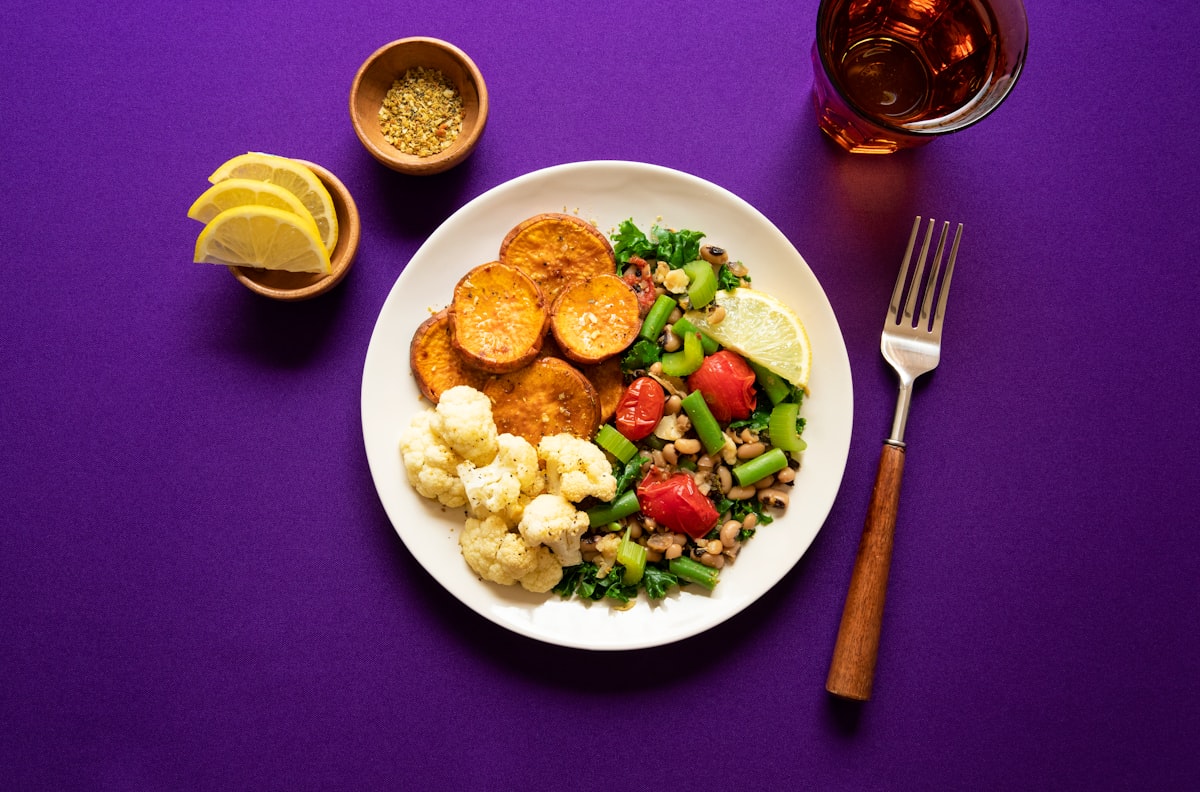
Spinach, kale, and Swiss chard are rich in folate and magnesium—minerals that regulate stress hormones and support nervous system function. They also contain compounds that protect brain cells from oxidative stress.
- High in magnesium for relaxation
- Stabilises blood sugar naturally
- Provides antioxidant protection
Berries & Antioxidants
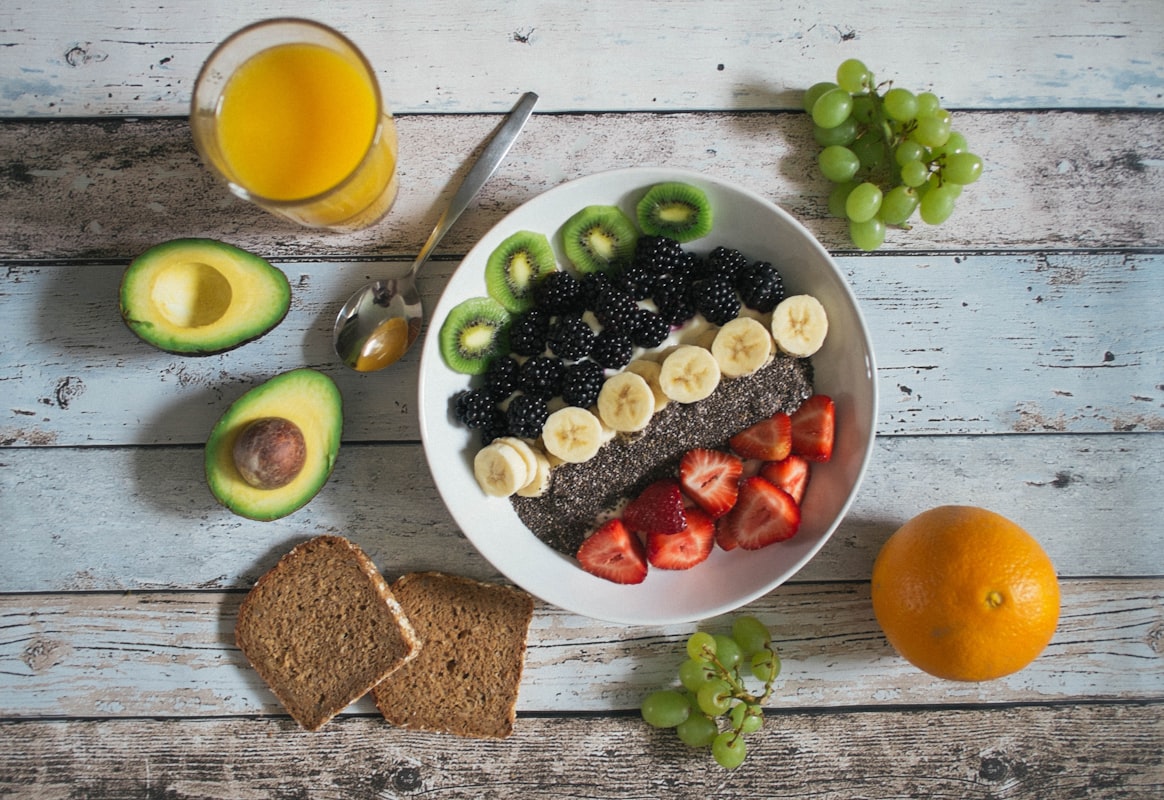
Blueberries, blackberries, and raspberries are packed with anthocyanins that cross the blood-brain barrier and protect neural tissue. Their high antioxidant content combats the cellular damage stress causes.
- Combat oxidative stress
- Improve cognitive function
- Support memory and focus
Whole Grains
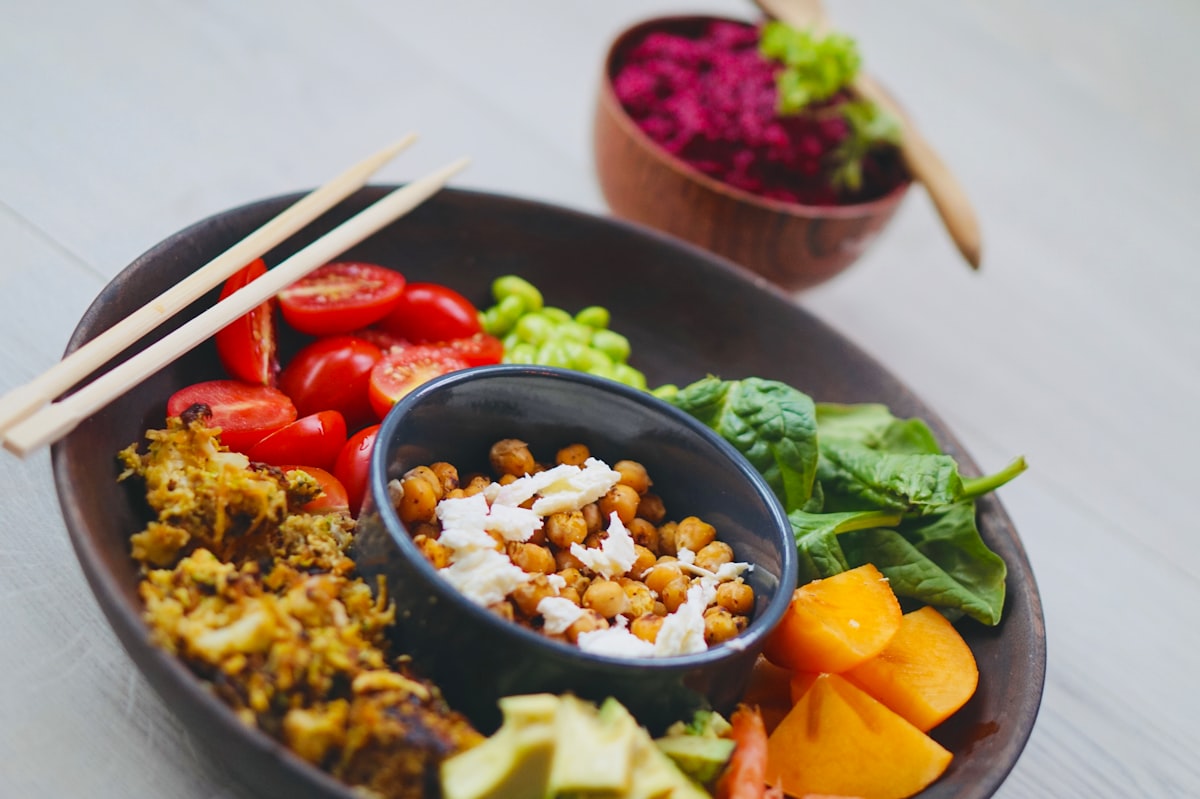
Oats, brown rice, and quinoa release glucose slowly, preventing the blood sugar spikes that trigger anxiety and mood crashes. They also contain B vitamins essential for neurotransmitter synthesis.
- Stabilise energy throughout the day
- Rich in B vitamins for mood support
- Promote gut bacteria diversity
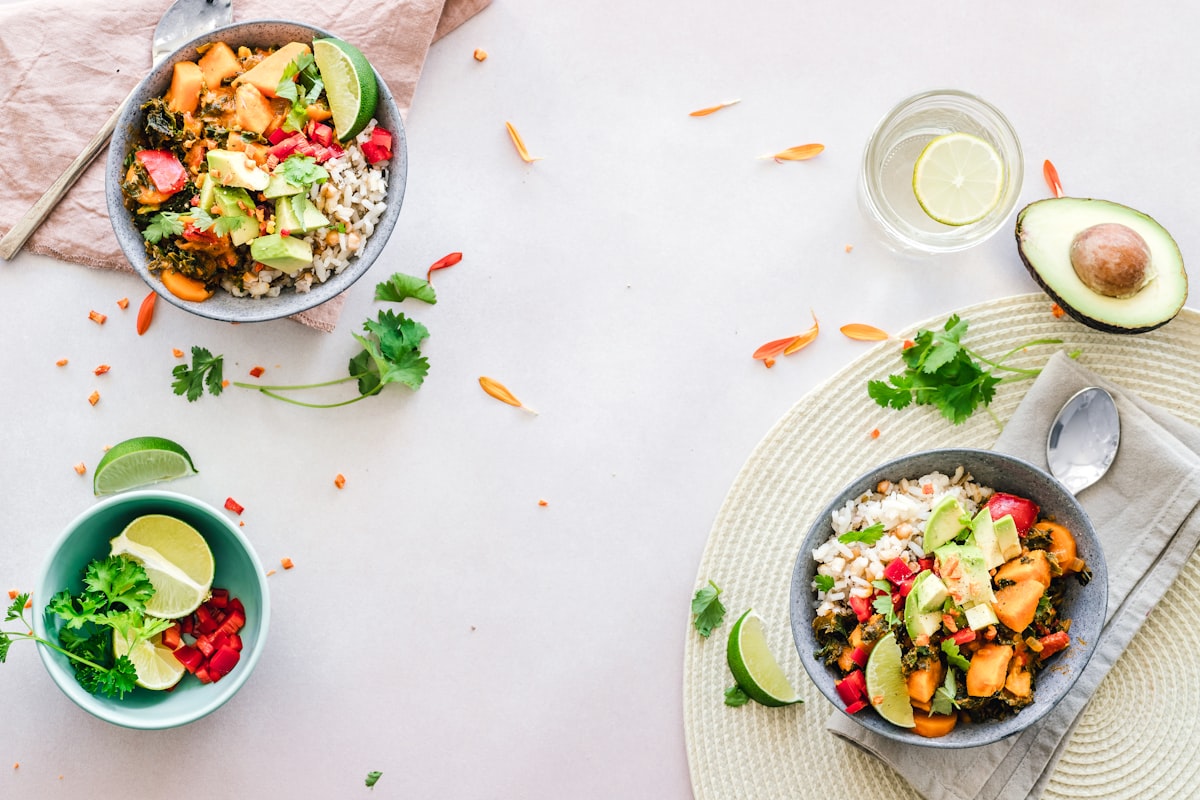
Nuts & Seeds
Almonds, pumpkin seeds, and walnuts are mineral-dense foods containing magnesium, zinc, and selenium. These micronutrients regulate the nervous system and help your body recover from stress more efficiently.
- Mineral-rich for nervous system support
- Boost resilience to stress
- Support peaceful sleep
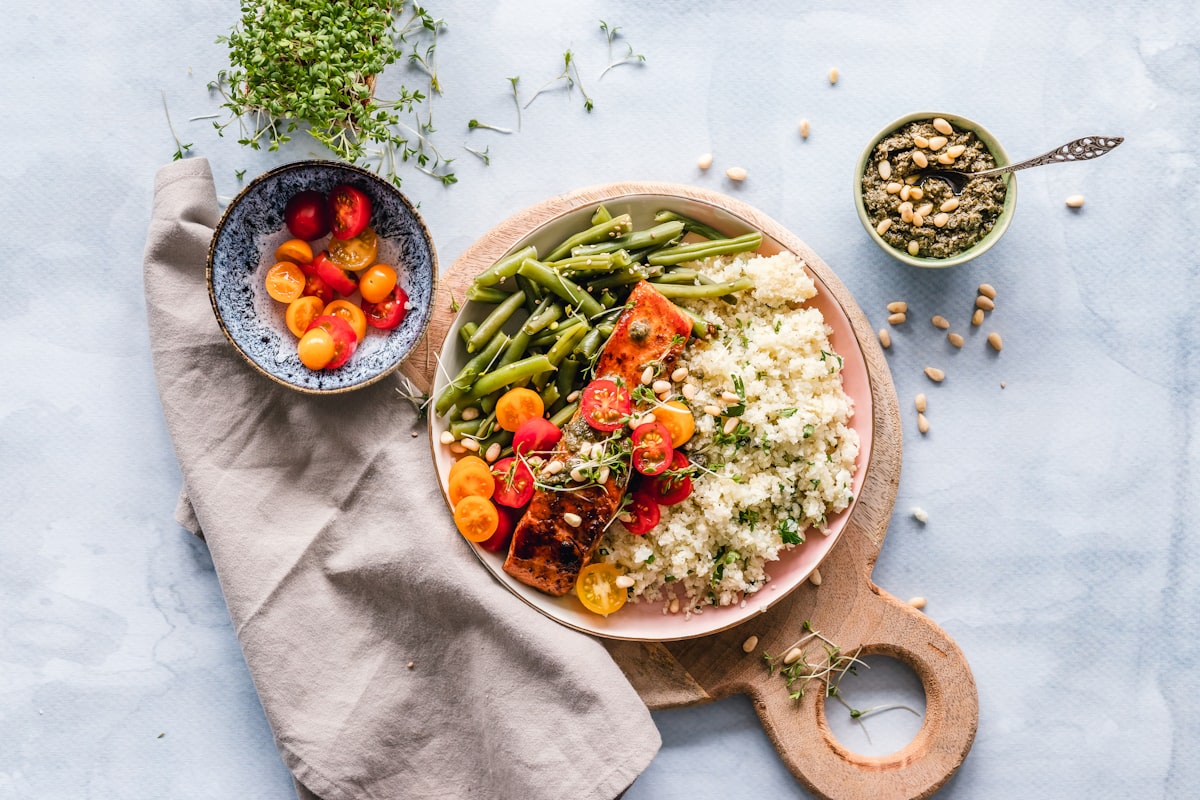
Fermented Foods
Yoghurt, kefir, sauerkraut, and kimchi introduce beneficial bacteria that enhance your microbiome. A robust gut flora directly improves mental clarity and emotional resilience through the gut-brain axis.
- Support healthy gut bacteria
- Improve emotional wellbeing
- Reduce anxiety naturally
Your 4-Week Dietary Transformation Journey
Week 1: Foundation
Begin by eliminating ultra-processed foods and introducing whole, recognisable ingredients. Focus on adding one stress-reducing food category daily—fatty fish, leafy greens, or fermented foods. Keep a simple food journal to notice changes in energy and mood.
- Remove refined sugars
- Add omega-3 sources
- Establish regular meal times
Week 2: Nourishment
Deepen your mineral intake by prioritising magnesium and zinc-rich foods. Include at least two servings of leafy greens and a handful of nuts or seeds daily. Introduce fermented foods if not already present. Notice improvements in sleep quality and anxiety levels.
- Increase magnesium foods
- Add probiotic sources
- Monitor sleep patterns
Week 3: Integration
Combine the dietary principles established in weeks one and two into a sustainable rhythm. Swap refined grains for whole grains entirely. Build meals around a pattern: protein + complex carbs + healthy fat + colourful vegetables. Track mental clarity and stress resilience.
- Transition to whole grains
- Create balanced meal patterns
- Assess emotional improvements
Week 4: Mastery
Reflect on your transformation and establish maintenance principles for long-term stress management through nutrition. Identify your personal stress-reducing foods and meal templates. Plan how to sustain these changes beyond week four as a lifestyle foundation.
- Establish personal food patterns
- Plan long-term sustainability
- Build confidence in choices
Real Success Stories from Our Community
After following Mealvitalcore's principles, I noticed a welcome reduction in my daily feelings of anxiety. The focus on whole foods and fermented items completely transformed how my body responds to stress. I now have the tools to manage my wellbeing through what I eat, and it feels empowering. My sleep is deeper, and I wake feeling genuinely calm.
Sarah Mitchell
London, England
As someone who's always battled mood swings, discovering the gut-brain connection was revelatory. Mealvitalcore's articles explained exactly why my diet affects my emotional state. I've redesigned my meals around magnesium-rich foods and omega-3s, and the difference in my mental clarity is unmistakable. This isn't just diet advice; it's a pathway to genuine emotional resilience.
James Patterson
Manchester, England
The 4-week journey outlined by Mealvitalcore gave me structure and hope. I was sceptical that food could truly influence my stress levels, but week three made a believer out of me. My nervous system feels genuinely calmer, and I'm not reaching for unhealthy coping mechanisms as much. The educational approach here is respectful and evidence-based.
Emma Richardson
Edinburgh, Scotland
Common Questions About Diet and Stress Management
Many people report initial improvements within 3-5 days as blood sugar stabilises and their gut bacteria begin to shift. More substantial changes in mood stability and stress resilience typically emerge over 2-3 weeks. The 4-week framework is designed to build momentum progressively, allowing your body time to adapt and your mind to observe the connection between food and wellbeing. Individual timelines vary based on starting dietary patterns and overall lifestyle factors.
Nutrition is a powerful foundation for stress resilience, but it works best alongside other evidence-based practices like movement, sleep, and mindfulness. Think of diet as one pillar in a comprehensive wellbeing approach. Proper nutrition optimises your body's ability to handle stress, but meditation, exercise, and social connection address the multifaceted nature of modern stress. The most sustainable approach combines all these elements into a cohesive lifestyle.
The principles of stress-reducing nutrition are flexible and adaptable. Whether you're vegetarian, vegan, follow a gluten-free diet, or have other restrictions, equivalent nutrients exist across food groups. For example, plant-based eaters can obtain omega-3s from flaxseeds, chia seeds, and walnuts; those avoiding fish can prioritise nuts, seeds, and leafy greens for minerals. Our editorial content addresses various dietary approaches. For personalised guidance aligned with your specific needs, please reach out through our contact page.
Your gut contains a sophisticated nervous system with approximately 500 million neurons—more than your spinal cord. These neurons produce neurotransmitters like serotonin and dopamine, which profoundly affect mood. Your gut bacteria also communicate with your brain via the vagus nerve and produce short-chain fatty acids that reduce inflammation. By feeding beneficial bacteria through whole foods, you're directly supporting brain function and emotional regulation. This isn't metaphorical; it's a direct biological pathway that decades of research continue to validate.
Rather than labelling foods as "bad," focus on reducing those that create physiological stress: refined sugars and ultra-processed foods spike blood glucose, triggering the stress response; excessive caffeine can amplify anxiety; alcohol disrupts sleep quality and gut bacteria. Highly inflammatory seed oils may increase brain inflammation. The goal isn't perfection but awareness—most people benefit from shifting the bulk of their diet toward whole foods while enjoying other choices occasionally. This pragmatic approach is more sustainable than rigid restriction.
Our editorial team synthesises peer-reviewed nutrition science and gut health research to create accessible, evidence-based content. We focus on translating complex biological mechanisms into practical guidance. Every article draws on established nutritional principles and current research while maintaining clarity for general readers. Our content prioritises educational value over promotional messaging—we exist to inform, not to sell. If you have questions about our editorial approach or wish to provide feedback on our articles, please contact us through our editorial inquiry form on the contact page.
Ready to Transform Your Health?
Join thousands of readers who trust Mealvitalcore for science-backed nutrition guidance and wellness insights.
Monthly Readers
Expert-Reviewed Articles
Years of Research Expertise
Frequently Asked Questions
Find answers to common questions about Mealvitalcore and our content.